

An EV battery sitting in the driveway can hold a lot of useful energy. During a blackout, that energy feels close enough to touch. The missing piece is not desire. It is the equipment that can move power safely from the car into the home.
A bidirectional charger moves power both into and out of the EV battery. V2H, or vehicle-to-home, is the home backup version. It can help power selected loads when the grid is down, but only if the vehicle, charger, gateway, and local rules support it.
Backup Power Needs a Safe Gatekeeper
When the grid fails, a home cannot simply push power into its wiring and hope for the best. It needs isolation from the utility and control over which circuits receive power. That protects workers, appliances, and the homeowner.
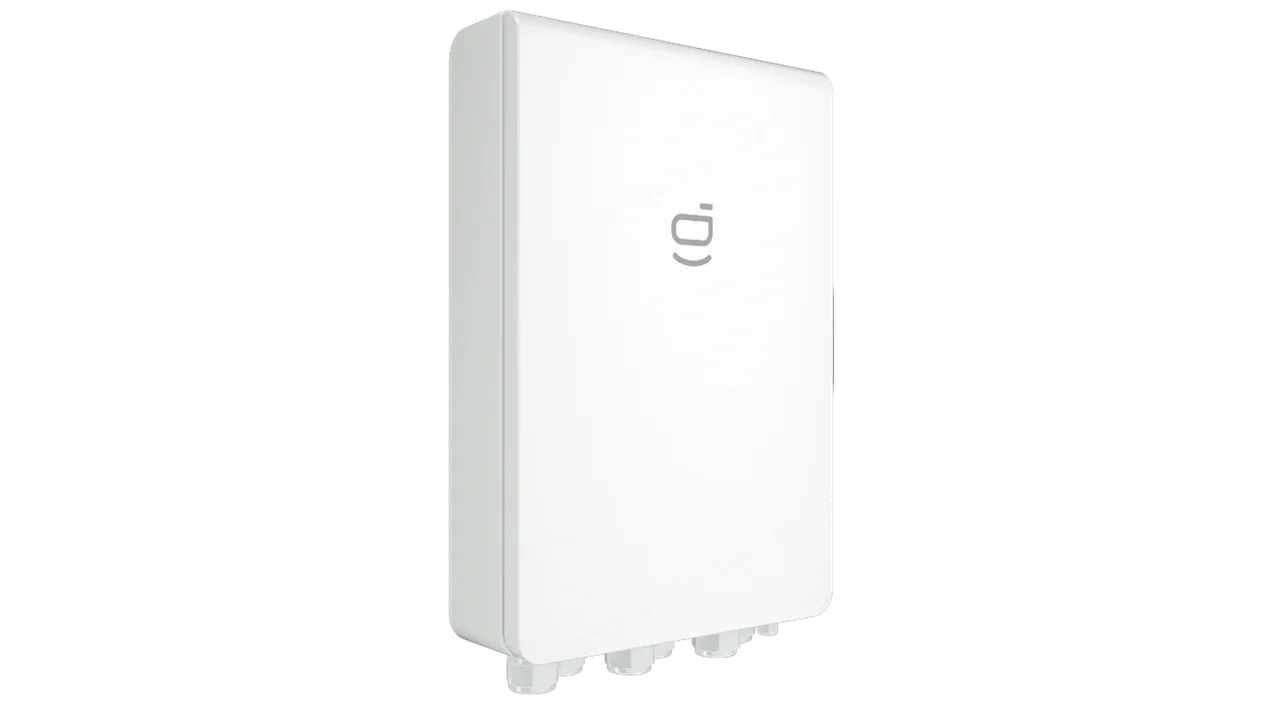
According to Sigenergy product information, Sigenergy Home Energy Gateway supports backup management with 0 ms switching and five controllable loads. That kind of load control matters because a backup system should prioritize essentials before comfort loads.
The U.S. Department of Energy’s Alternative Fuels Data Center explains EV charging by equipment type and power level, but backup is a different challenge. The system must manage both energy and power. Energy is how much is stored; power is how fast it can be delivered.
The EV Can Help, but It Should Not Run Everything
The smartest outage plan usually starts with critical loads: refrigerator, internet, lights, medical equipment, sump pump, and selected outlets. Large electric appliances can drain available power quickly or create startup surges.
The EV also needs a driving reserve. A homeowner may not want to use every available kilowatt-hour overnight if roads are closed, a family member needs a ride, or the outage lasts longer than expected. Backup planning should include a minimum vehicle state of charge, not just a list of household circuits.
A product such as Sigen EVDC/V2X becomes relevant when the EV is meant to participate in that backup plan. Sigenergy product information lists 25 kW bidirectional DC charging with support for V2H, V2G, and V2X.
V2G, or vehicle-to-grid, is different from V2H. It involves sending power to the grid through approved programs. For most homeowners, V2H is the more immediate resilience feature.
Control Beats Guesswork
A bidirectional backup setup should let the homeowner choose priorities. Should the car keep enough range for tomorrow? Should the battery hold a reserve overnight? Which loads turn off first if the outage runs long?
The International Energy Agency’s Global EV Outlook 2026 highlights vehicle-to-grid technology as part of the larger EV transition. That attention is useful, but the home version still comes down to practical details: safe transfer, compatible equipment, and a realistic load plan.
So yes, a bidirectional EV charger can help keep a house running during a blackout. It should be treated as part of a managed backup system, not as a giant extension cord.
That mindset prevents disappointment. The goal is not to pretend the grid is still online. The goal is to keep the important parts of daily life stable until normal service returns.